Why Does My Tailbone Hurt When I Sit Too Long?
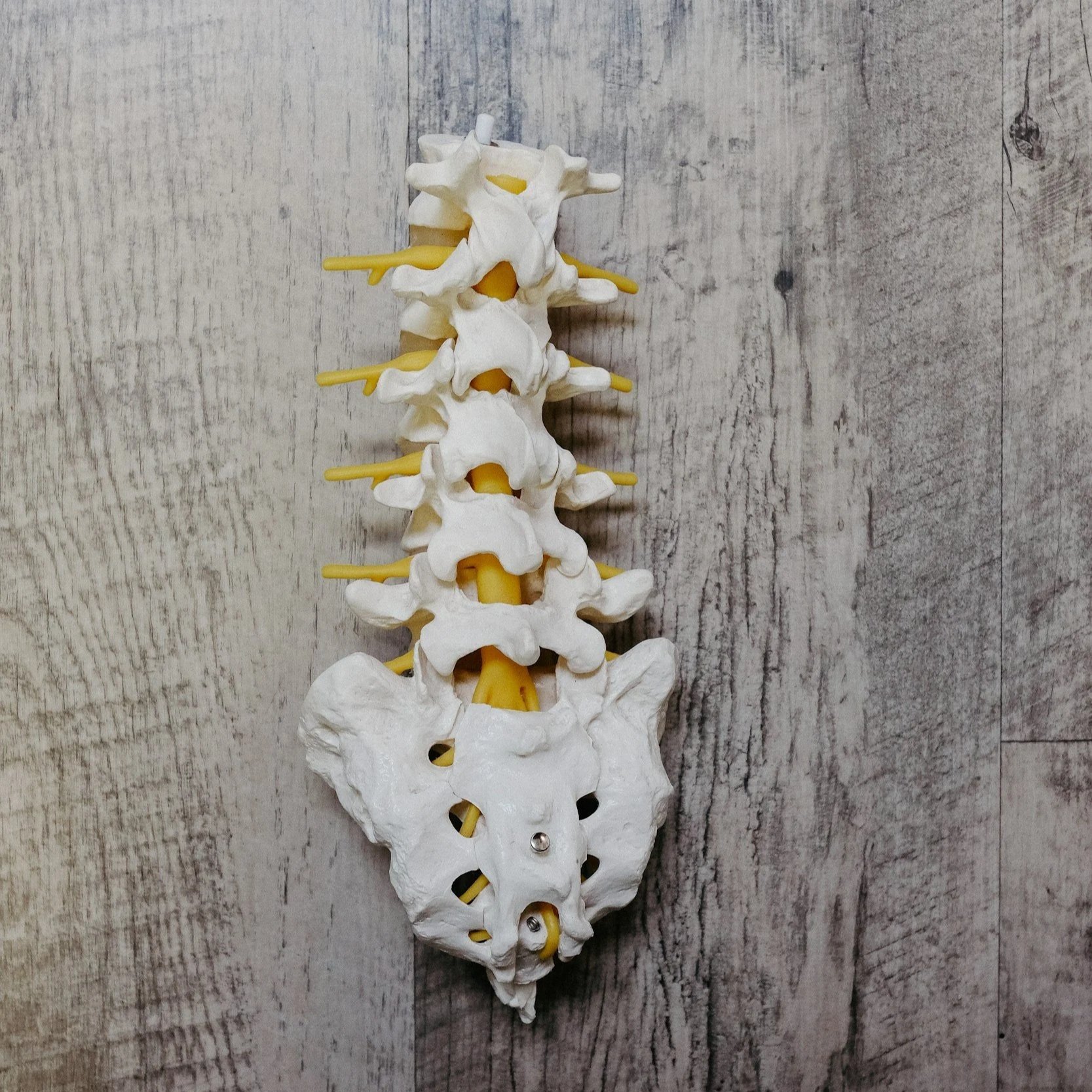
Tailbone pain is one of those things that doesn’t seem like a big deal—until it starts happening every time you sit. You shift constantly in your chair. Long drives are miserable. Sitting through work meetings, feeding your baby, or just relaxing on the couch starts to feel like a chore.
But first, what is the tailbone?
The tailbone (aka the coccyx) is a small triangular bone at the base of your spine. It’s not just sitting there doing nothing—it serves as an anchor point for multiple muscles, ligaments, and connective tissues, including those of the pelvic floor.
When it’s irritated, inflamed, misaligned, or under constant pressure, it can cause pain that makes sitting uncomfortable or even unbearable.
Why Does Tailbone Pain Happen?
This type of pain is called coccydynia, and it’s often caused by how—and how long—you sit.
Some of the most common contributors include:
1. Prolonged Sitting
Working at a desk all day, driving long distances, or lounging on soft furniture can put direct pressure on the coccyx—especially if your pelvis is tucked under or you’re leaning back in your seat.
2. Posture & Desk Setups
Rounded shoulders, slumped posture, or crossing one leg over the other while sitting can change how your body loads through your spine and pelvis. Over time, this creates tension and strain around the tailbone.
3. Pelvic Floor Muscle Dysfunction
The pelvic floor attaches directly to the coccyx. If those muscles are tight, weak, or uncoordinated, they can pull on the tailbone or limit its movement—causing pain and pressure when sitting or shifting positions.
4. Injury or Birth History
Falls, direct trauma, and even past childbirth can lead to tailbone misalignment or scar tissue in the area. Sometimes pain doesn’t show up right away—it builds over time as your body compensates.
Symptoms You Might Notice
You might feel:
A sharp or aching pain at the base of your spine after sitting for long periods
Discomfort during long commutes, remote work, or desk jobs
Tailbone pain that improves when you shift to one side or lean forward
Pressure or soreness when sitting on hard chairs, bleachers, or benches
Low back or pelvic tension that builds throughout the day
Difficulty getting comfortable in your office chair or car seat
Discomfort when standing up, rolling over in bed, or going to the bathroom
Tailbone sensitivity during intimacy or with pelvic floor tension
This pain often starts off subtle—just a little ache after a long workday—but it tends to stick around longer and show up faster the more it’s ignored.
Will Cushions Help My Tailbone Pain?
You can buy all the donut cushions in the world, but if you're not addressing what’s actually causing the pain—muscle tension, movement patterns, posture, or pressure—it usually just comes back.
Cushions might reduce discomfort temporarily, but they won’t solve the root issue if your pelvic floor is pulling on your coccyx or you’re sitting in a way that keeps aggravating it.
Here’s What Might Actually Help
1. Adjust How You Sit
Sit upright on your sit bones—not rolled back onto your tailbone. A small wedge cushion or folded towel under your pelvis (not your tailbone) can reduce direct pressure and support a more neutral posture.
2. Move More Often
Set reminders to stand, stretch, or change positions every 30–60 minutes. Even small breaks make a big difference in how your body manages pressure and tension.
3. Release Tension
If your glutes, pelvic floor, or low back are holding tension, soft tissue release (including internal pelvic floor therapy when appropriate) can help reduce the pull on the coccyx and restore mobility.
4. Pelvic Floor Evaluation
A qualified pelvic floor therapist can assess how your posture, breathing, muscle function, and alignment are impacting your tailbone. The goal isn’t to just reduce symptoms—it’s to restore how your body supports you throughout the day.
Evaluations Available in York This Month
We’re now accepting new pelvic floor therapy clients in both our York and Hanover offices this September. Whether you’re dealing with tailbone pain, pelvic tension from long workdays, or discomfort that’s been building over time—this is a great time to get started.
Let’s help you sit, move, and function without having to think about it.
—The Imagine Pelvic Health Team