

How Stress, Posture, and your Pelvic Floor Are Connected
Back-to-school season can make it feel as though your body is carrying the entire family calendar. You are lifting children, hauling backpacks, sitting through drop-off lines, rushing between activities, and mentally tracking what everyone needs next.

Why So Many LGBTQIA+ Patients Avoid Pelvic Healthcare
A lot of people avoid pelvic healthcare because they are embarrassed. But for many LGBTQIA+ individuals, the reasons often go much deeper than embarrassment.

What Inclusive Pelvic Healthcare Actually Looks Like
During Pride Month, there are a lot of conversations about visibility, support, and inclusion. But one area that often gets overlooked is healthcare — especially pelvic healthcare.
Because for many LGBTQIA+ individuals, pelvic healthcare has not historically felt safe, affirming, or even accessible. At Imagine Pelvic Health, inclusive pelvic healthcare is about how care is delivered clinically, emotionally, and physically.
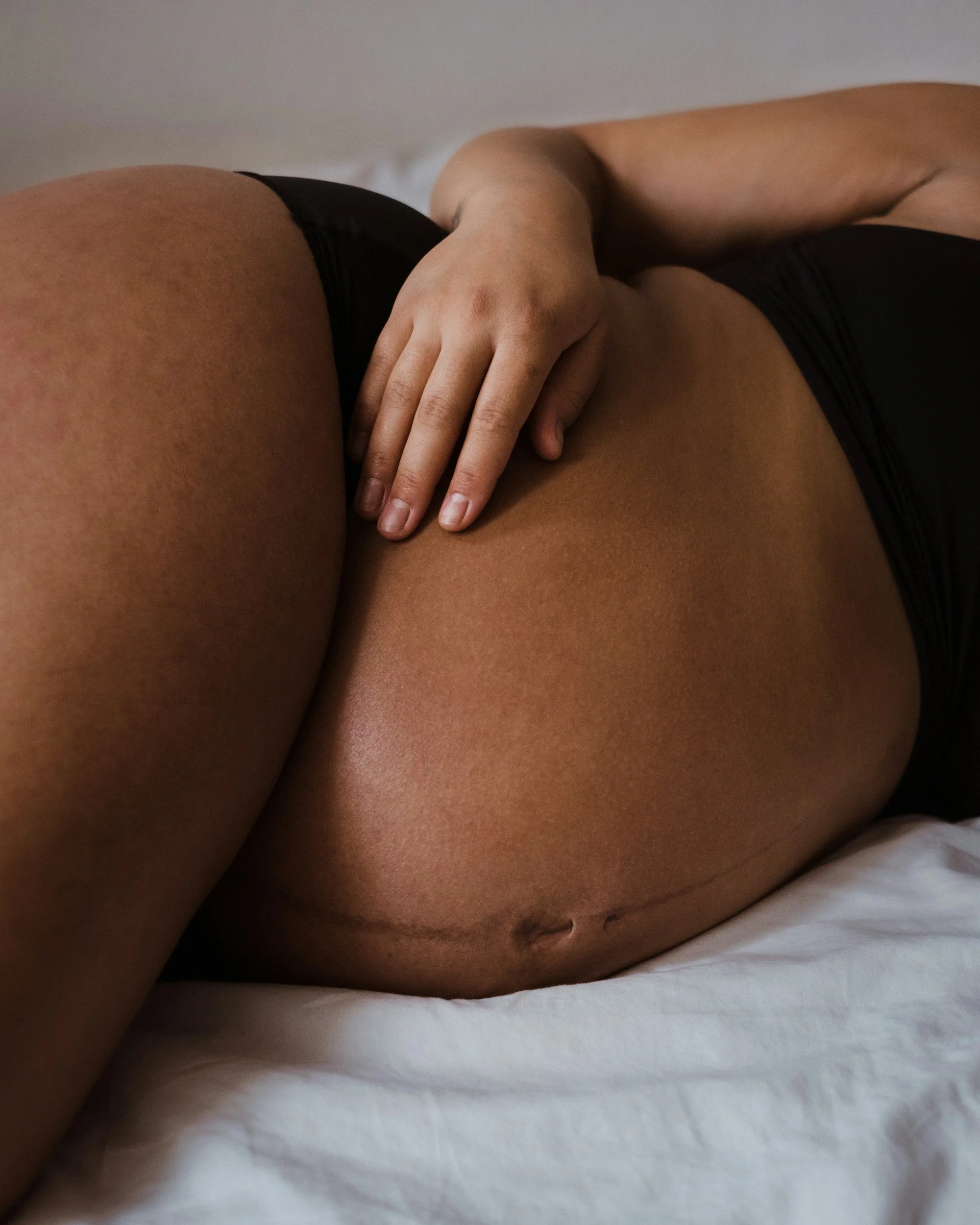
What Happens to Your Pelvic Floor During Pregnancy?
A lot of people don’t think about their pelvic floor until something starts interfering with daily life. Maybe it’s leaking when you sneeze. Maybe it’s constipation that suddenly becomes difficult to manage during pregnancy. Maybe it’s pelvic pressure after standing all day, hip pain that keeps getting dismissed as “just pregnancy,” or a feeling that your core no longer works the same way during movement or exercise.
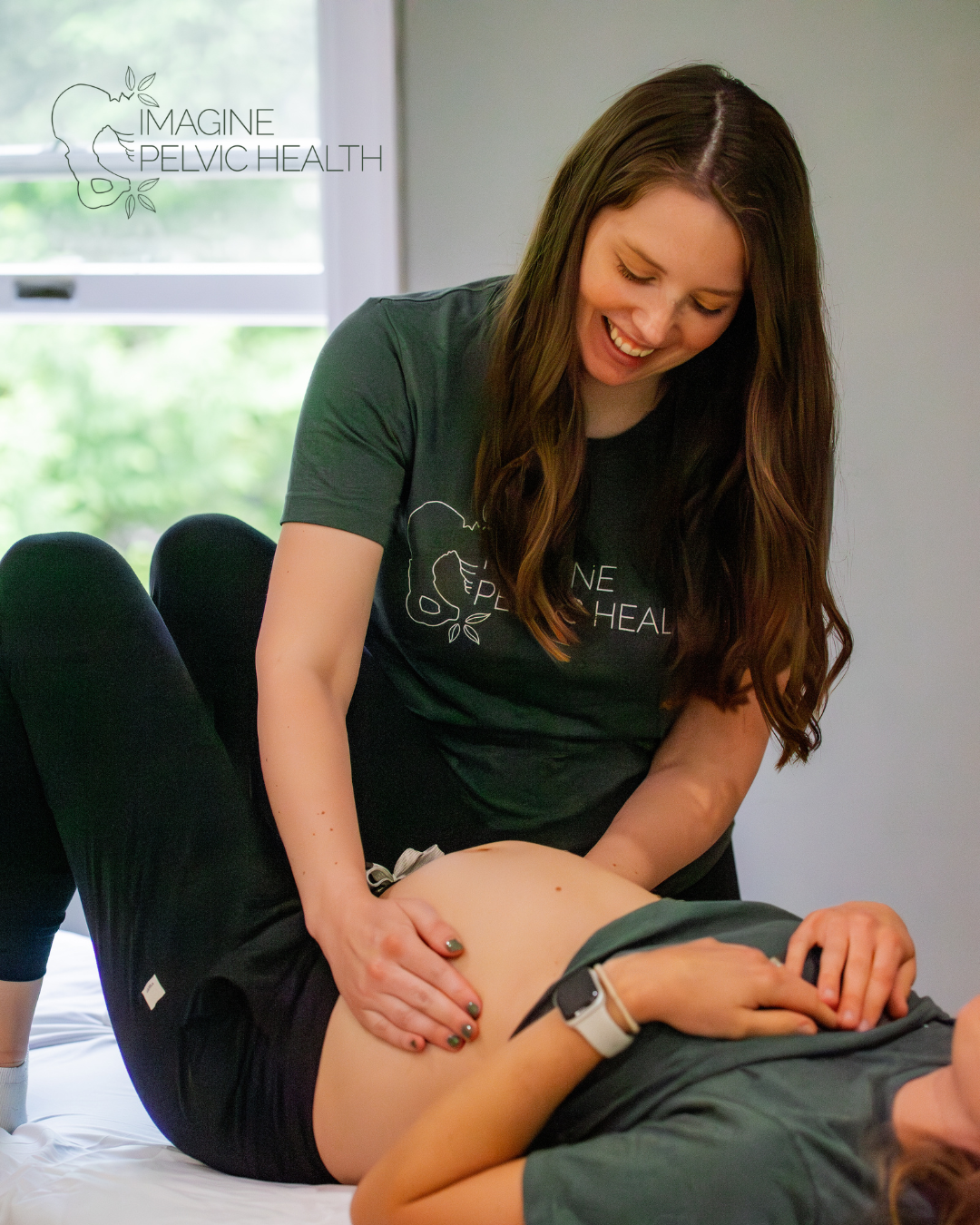
How Pelvic Floor Therapy Supports Birth Preparation
At Imagine Pelvic Health, one of the biggest things we educate clients on is that pelvic floor therapy can also be preventative care. Pregnancy itself is already placing enormous physical demand on the body long before labor even begins.

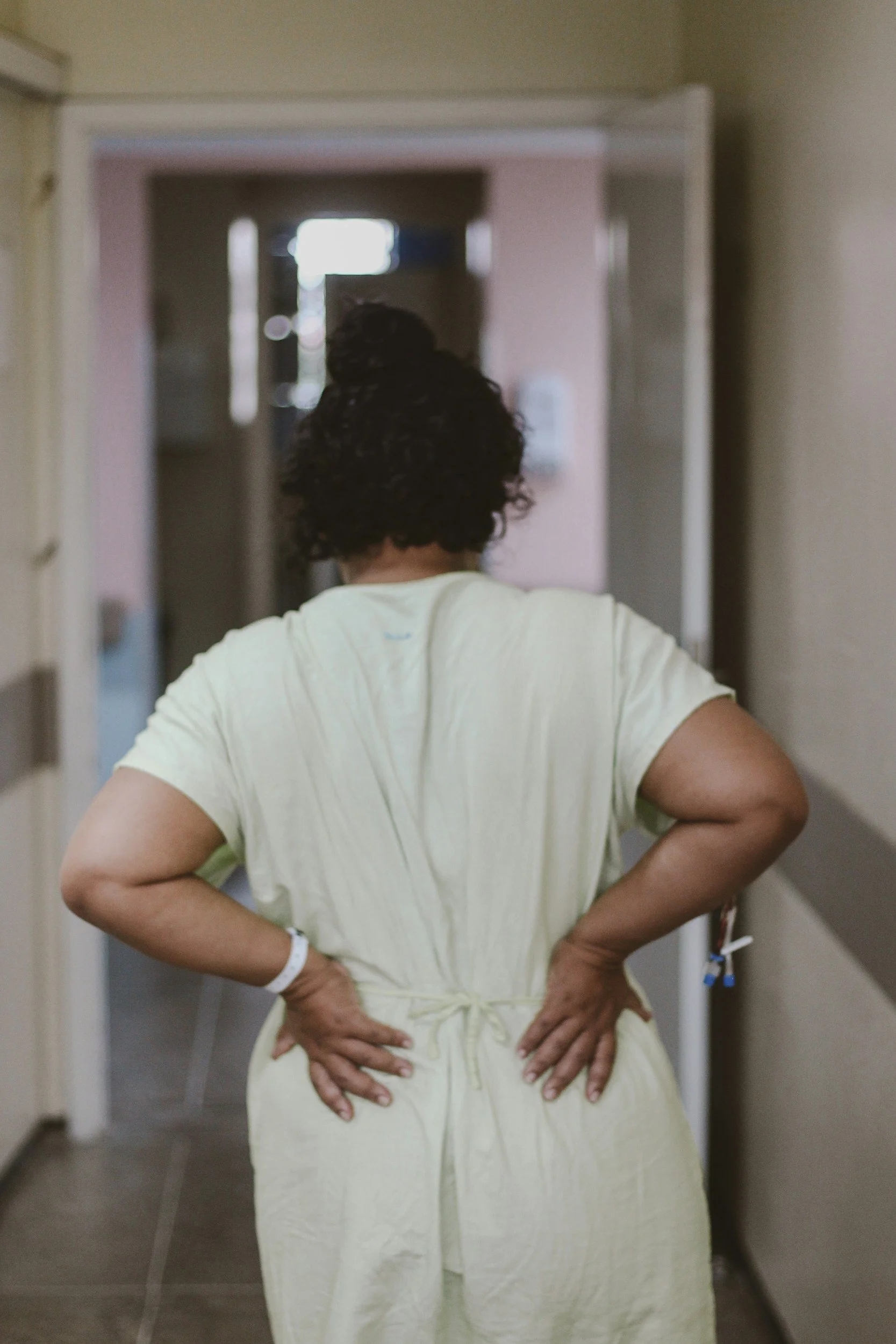
Your Lower Back Pain Might Be a Pelvic Floor Issue
Lower back pain is one of the most common reasons people seek care. Most are told it’s due to poor posture, weak muscles, or a strain from lifting. While those can be contributing factors, they are not always the full picture.
In many cases, persistent or recurring lower back pain is connected to something often overlooked: the pelvic floor.
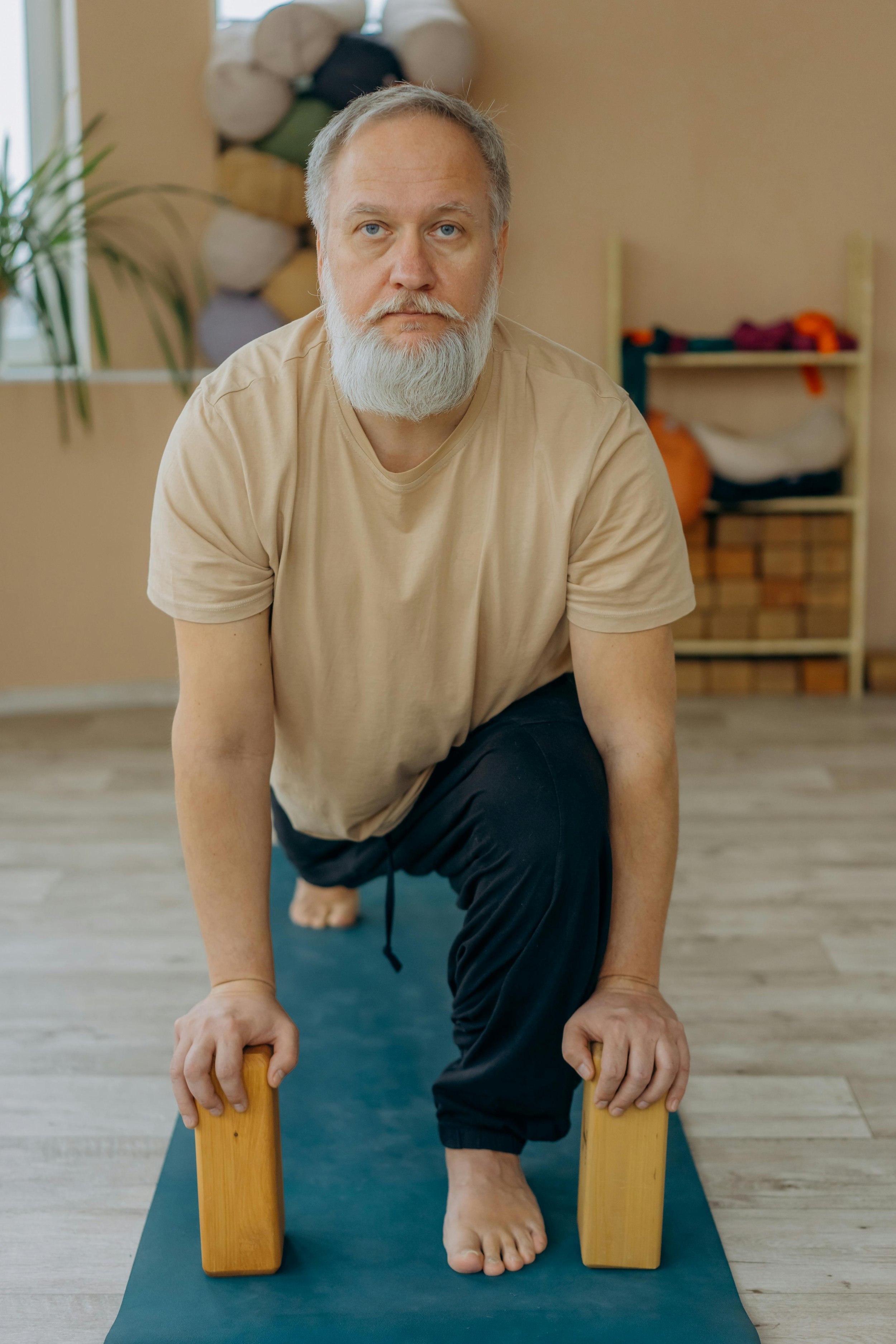
Understanding Urinary Incontinence in Men: Causes, Prevention, and Treatment Options
Urinary incontinence affects millions of men across the United States, yet it remains one of the most underreported health concerns. The good news? Most cases are treatable with the right approach and professional guidance. As a pelvic health occupational therapist serving the Hanover and York, PA communities, I work with men every day who are seeking answers and relief from urinary incontinence. This comprehensive guide will help you understand what's happening, why it's happening, and most importantly—what you can do about it.
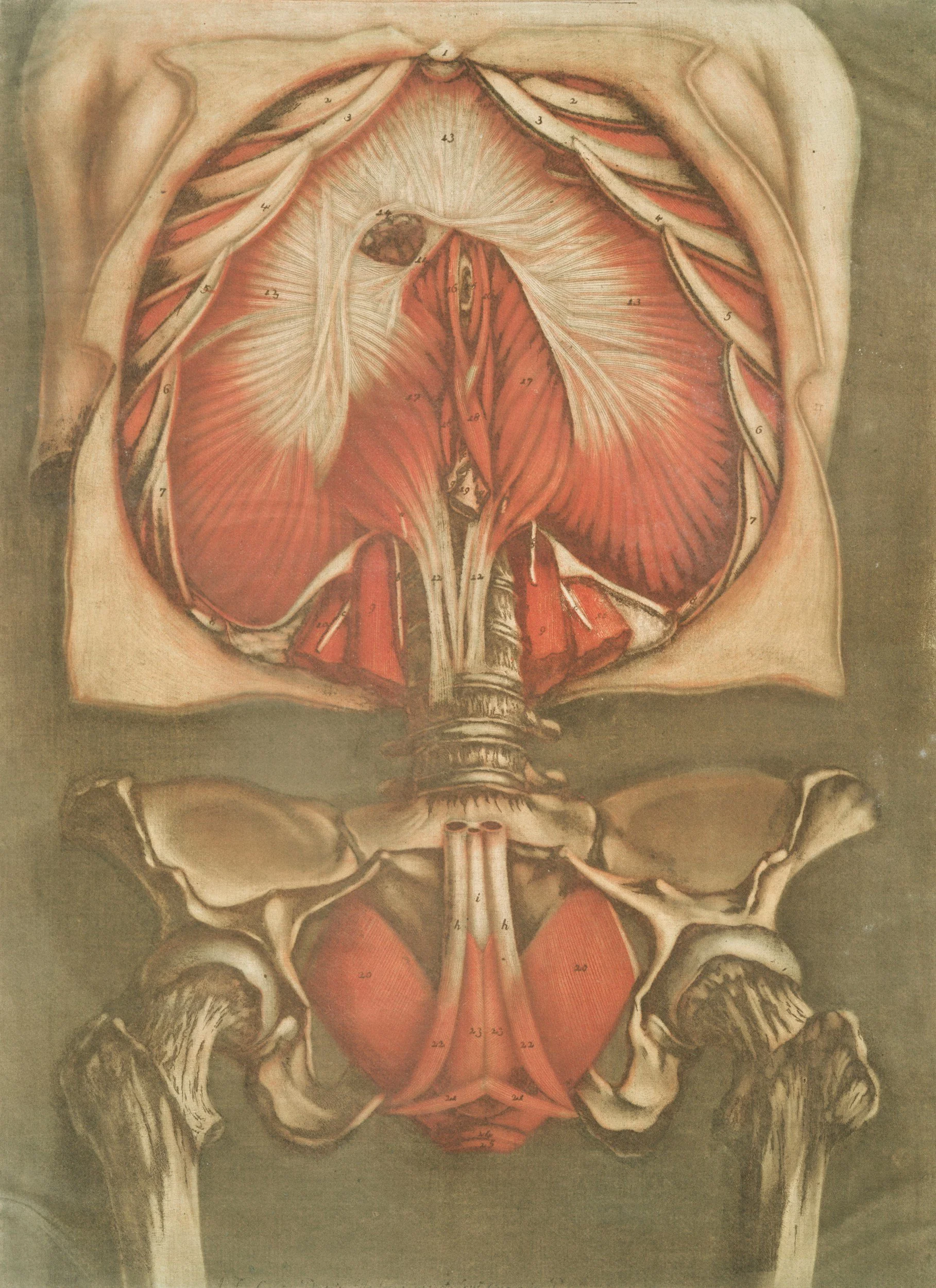
What Are Pelvic Floor Exercises? (From an Occupational Therapy Lens)
Pelvic floor exercises are one of the most commonly recommended ways to improve bladder control, reduce leaking, ease pelvic pain, and support postpartum recovery. But most people never learn what pelvic floor exercises actually are—or how to do them correctly.

Pelvic Floor Exercises After Hysterectomy: What to Know (and What to Avoid)
A hysterectomy is a major surgical event, and while most people expect a physical recovery, very few are told what happens next when it comes to pelvic floor health. After the initial healing, it’s common to experience symptoms like pelvic heaviness, bladder urgency, changes in intimacy, or a sense that your core just doesn’t feel the same.
That’s where targeted, individualized care comes in.

Vaginismus Treatment and Pelvic Floor Care
This time of year can bring more attention to connection and intimacy—but if that feels physically uncomfortable or emotionally overwhelming, it might be time to look deeper. If intercourse is painful, tampons are difficult to use, or pelvic exams bring on anxiety or sharp discomfort, you may be experiencing vaginismus.

The Top Three Insurance Rules That Made Me Stop Taking Insurance
At Imagine Pelvic Health, we don’t bill insurance — and that’s not an oversight. It’s a decision based on experience. Before opening this practice, I worked in insurance-based settings. I saw how the rules dictated what care could look like and too often, those rules got in the way of helping people heal. Here are the top three insurance rules that made me stop taking insurance and build a practice that puts your care first:
What We Do & Don’t Do as a Pelvic Floor Therapy Clinic in York County
At Imagine Pelvic Health, we specialize in pelvic floor therapy. That’s it. That’s the work. We’re not a general OT clinic trying to cover all bases, we’re focused, intentional, and built specifically to treat pelvic health concerns. Located in York and Hanover, PA, we provide expert, 1:1 care in private treatment rooms. We also offer telehealth and in-home visits for clients who need flexibility or privacy. Here’s what you can expect from us—and what we don’t do.

The Naughty & Nice List of Pelvic Health (from an OT’s Perspective)
Your pelvic floor quietly influences everything from how you breathe to how you move, how you go to the bathroom, and how intimacy feels. And yet… most people only start learning about it when something feels “off.” Before you jump into exercises—or blame yourself—let’s look at the daily habits that help or hinder pelvic health. Our holiday-inspired Naughty & Nice list reveals the ones that matter most.
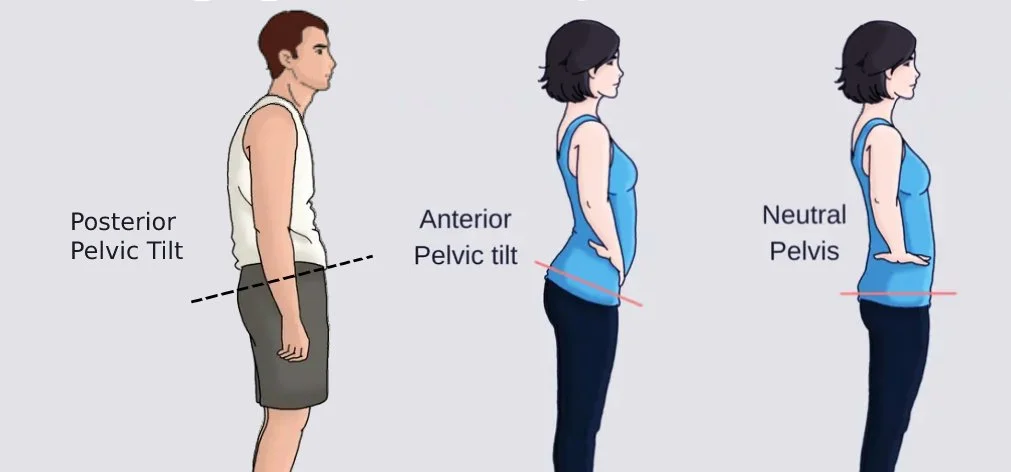
What Pelvic Tilt Do You Have?
Not all core exercises work for every body especially if your pelvic tilt is off. If you’ve been doing bird dogs, dead bugs, or tilting drills without knowing whether your pelvis is stuck forward (anterior) or tucked under (posterior), you might be reinforcing poor mechanics instead of fixing them.
This blog breaks down the difference between pelvic tilts, how they affect your core and pelvic floor, and what to change in your workouts to actually feel stronger and more supported.

Why Am I Still Having Rectal Pain After Pregnancy?
Rectal pain after pregnancy isn’t just “part of healing” especially if it’s still showing up months or even years later. Whether it feels like pressure, pinching, or soreness during basic tasks, your pelvic floor could be the missing piece.
Pelvic floor therapy can help.
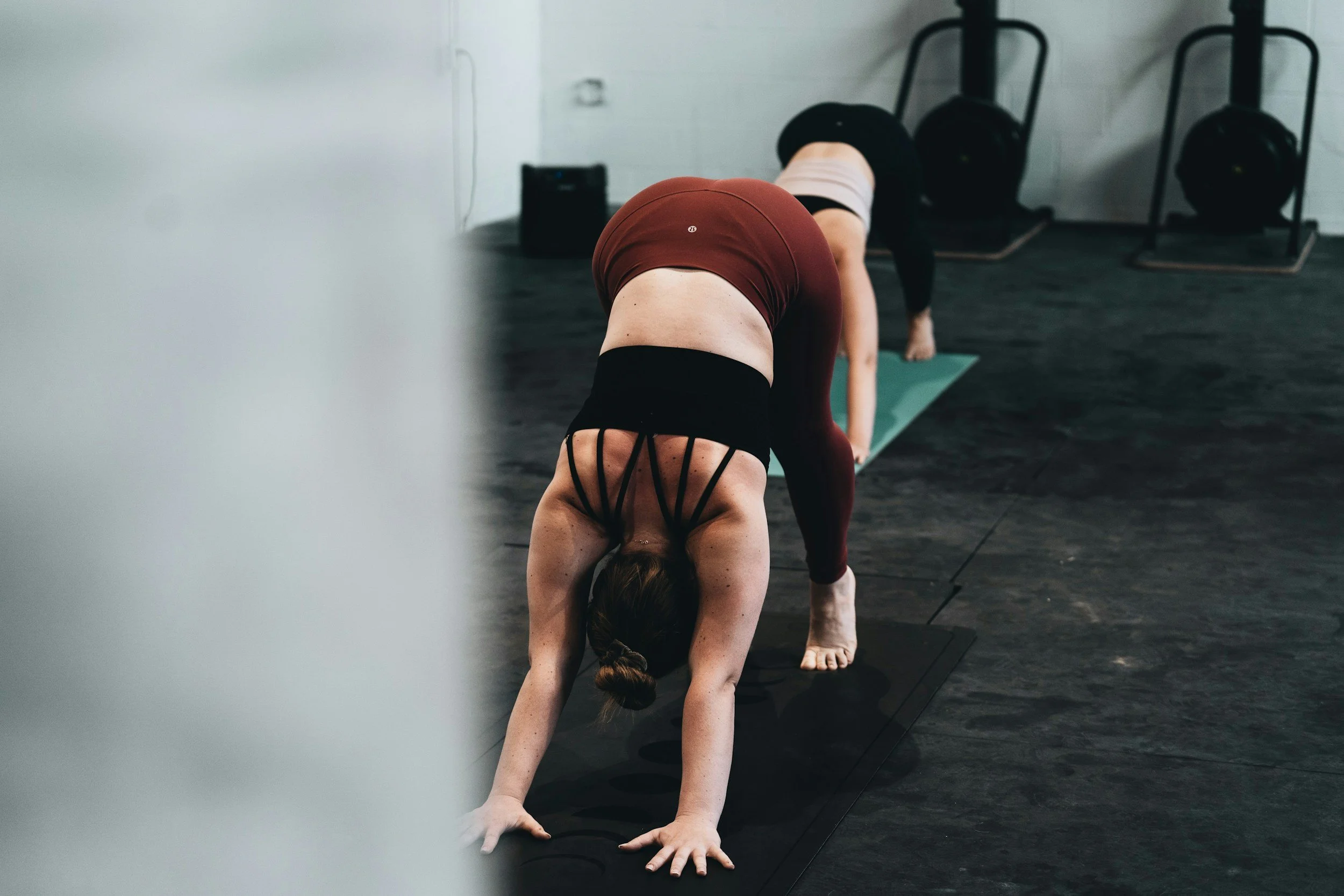
Why Does My Tailbone Hurt When I Sit Too Long?
Tailbone pain can turn everyday tasks, like sitting at your desk or driving, into a constant source of discomfort. Whether it’s from poor posture, muscle tension, or past injury, there is a reason behind it and ways to fix it that go beyond cushions.

Why Am I Leaking When I Exercise? Causes & How to Stop Peeing During Workouts
Leaking during workouts isn’t always a strength issue and kegels might not be the fix. If you’re peeing when you lift, run, or jump, it may be a sign your pelvic floor and core aren’t coordinating well. Here's what might be going on and what to do next. Read more →

Is This Just Aging... or a Pelvic Floor Problem?
Most women think if they haven’t fixed their pelvic floor by 40, they’ve missed their window. They haven’t. Leaking, pain, and core weakness aren’t just part of getting older and it’s never too late to get help that actually works. Read more →

Your Pelvic Floor Is Paying Attention to Your Daily Habits…
If you’re dealing with pelvic symptoms—leaking, pressure, discomfort—and nothing seems to explain them, the answer might be in how you go about your day….